Power management in data centers is critical for ensuring continuous operation, protecting equipment from power anomalies, and providing a stable environment for IT infrastructure. Here’s how Uninterruptible Power Supplies (UPS), Power Distribution Units (PDUs), and Generators are utilized for these purposes:
Uninterruptible Power Supplies (UPS)
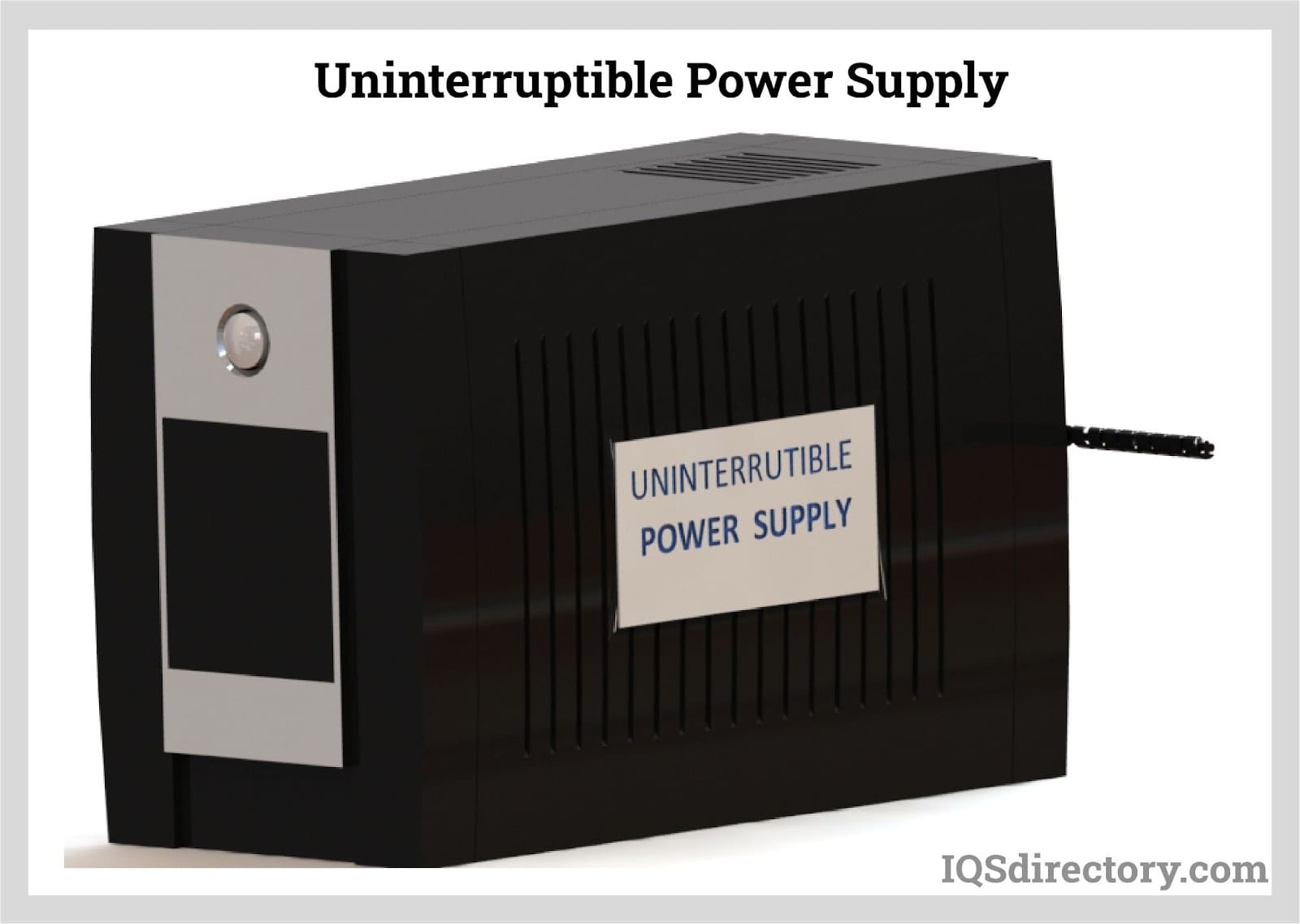
- Function: A UPS provides emergency power to connected equipment by supplying energy stored in batteries when the primary power source fails or fluctuates.
- Usage in Data Centers:
- Power Continuity: Ensures that servers, storage systems, and networking equipment continue to operate during brief power outages, giving time for generators to kick in or for a graceful shutdown if needed.
- Voltage Regulation: Protects sensitive equipment from power surges, spikes, or sags which could damage hardware or cause data corruption.
- Battery Backup: Offers a short-term power solution, typically from minutes to hours, allowing for orderly system shutdowns or maintenance during power cuts.
- Efficiency: Modern UPS systems are designed with high efficiency to minimize energy loss, often incorporating features like power factor correction.
Power Distribution Units (PDUs)
- Function: PDUs distribute electric power to various devices within the data center. They come in basic, metered, switched, or intelligent forms with varying levels of control and monitoring capabilities.
- Usage in Data Centers:
- Power Distribution: They ensure that power is distributed efficiently and safely to racks or individual devices, often supporting high current loads.
- Monitoring and Control: Advanced PDUs can monitor power consumption at the outlet level, allowing data center operators to track usage, detect anomalies, or remotely control power to devices for maintenance or security purposes.
- Load Balancing: Helps in evenly distributing the electrical load across multiple circuits to avoid overloading.
- Remote Management: Switched or intelligent PDUs allow for remote power cycling, which can be crucial for troubleshooting or maintenance without physical access.
Generators for Backup Power
- Function: Generators provide a long-term power solution during extended power outages, ensuring the data center can operate without interruption.
- Usage in Data Centers:
- Long-term Power Supply: Once activated, generators can supply power for hours or even days, depending on fuel capacity and type (diesel, natural gas, etc.).
- Automatic Transfer Switch (ATS): Generators are typically connected via an ATS which automatically switches to generator power when mains power fails, ensuring seamless transition without downtime.
- Redundancy: Larger data centers might have multiple generators for redundancy, ensuring that if one fails, others can take over.
- Capacity Planning: Generators are sized to match or exceed the total load of the data center, sometimes with considerations for future expansion or peak demand scenarios.
Integration and Operation:
- Tiered Power Protection: UPS systems are often the first line of defense, followed by generators for prolonged outages, with PDUs distributing this power efficiently.
- Efficiency and Environmental Control: All power management components are chosen with efficiency in mind to reduce operational costs and heat generation, which in turn influences cooling requirements.
- Scalability and Redundancy: Power infrastructure is designed with scalability in mind, allowing for the addition of more UPS units or generators as data center capacity grows. Redundancy in power supply ensures no single point of failure.
- Maintenance and Testing: Regular maintenance schedules and testing (like load testing for generators, battery health checks for UPS) are crucial to ensure reliability when needed.
- Monitoring Systems: Modern data centers integrate these power management solutions with centralized monitoring systems to track power usage, alert on anomalies, and manage power states of equipment remotely.
Together, UPS, PDUs, and generators form a comprehensive power management strategy that ensures data centers can maintain operations under various power conditions, safeguarding against data loss, equipment damage, and service interruptions.