Environmental monitoring in data centers is critical for maintaining optimal conditions for IT equipment, ensuring uptime, and protecting against environmental hazards. Here’s how temperature sensors, humidity sensors, and smoke detectors are used:
Temperature Sensors
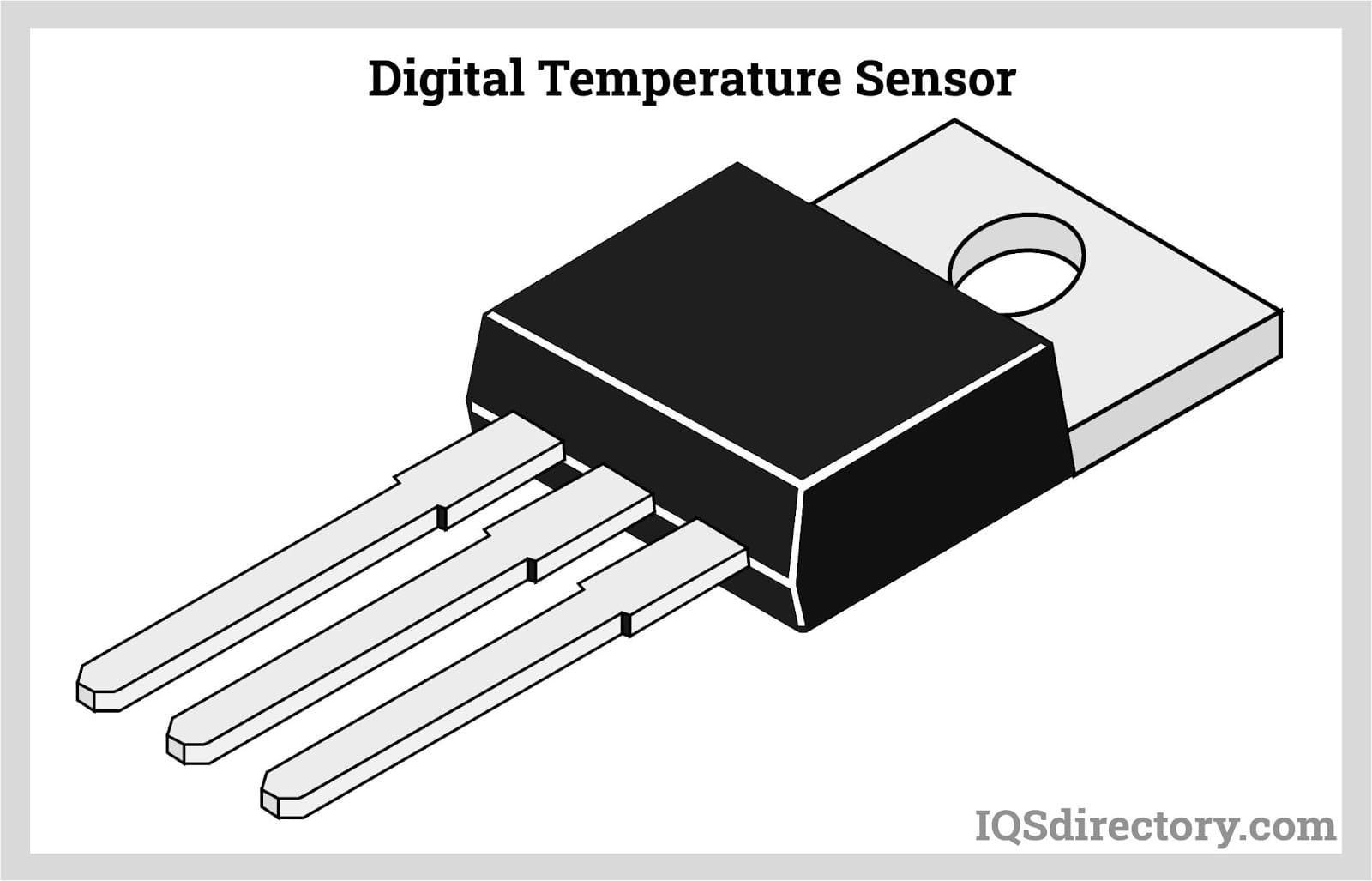
- Function: These sensors measure the ambient temperature within the data center, often placed at various points to monitor both the general environment and specific areas close to critical equipment.
- Usage in Data Centers:
- Hot Spot Detection: Identify areas where temperature exceeds safe levels, indicating potential equipment failure or cooling inefficiencies.
- Cooling System Optimization: Data from temperature sensors can be used to adjust cooling systems dynamically, ensuring energy is not wasted on over-cooling areas.
- Preventive Maintenance: Alerts can trigger preventive actions before equipment is damaged by overheating, like adjusting air flow or checking cooling units.
- Compliance and Reporting: Helps in maintaining records for compliance with operational standards or environmental regulations.
Humidity Sensors
- Function: Humidity sensors monitor the moisture content in the air, which is crucial since both too high or too low humidity can adversely affect electronic components.
- Usage in Data Centers:
- Static Electricity Control: Low humidity can increase static electricity, which is harmful to electronics; sensors help maintain humidity at levels that minimize this risk.
- Condensation Prevention: High humidity can lead to condensation, potentially causing short circuits. Sensors ensure humidity is kept within safe ranges.
- Corrosion Mitigation: By maintaining proper humidity, the sensors help prevent corrosion on electronic components, increasing longevity.
- Climate Control: Data from humidity sensors can be used to adjust HVAC systems to maintain an optimal environment.
Smoke Detectors
- Function: Smoke detectors are designed to sense smoke particles in the air, which is an early indicator of fire.
- Usage in Data Centers:
- Fire Prevention: Early detection of smoke can lead to quicker response, potentially extinguishing fires before they become catastrophic or at least containing them.
- Automatic Actions: Can be linked to systems that automatically initiate fire suppression, alert security, or even begin data backup procedures to prevent data loss.
- Zone Identification: Modern systems can pinpoint which area of the data center smoke is detected in, allowing for a more targeted response.
- Compliance: Essential for meeting fire safety regulations, ensuring the data center can operate within legal safety frameworks.
Integration and Operation:
- Centralized Monitoring: All these sensors are typically part of a broader environmental monitoring system where data is collected, analyzed, and acted upon centrally or through automated systems.
- Alert Systems: When thresholds are exceeded, alerts can be sent via email, SMS, or integrated with management systems to notify the appropriate personnel or trigger automatic responses.
- Data Logging: Continuous logging of temperature, humidity, and smoke detection events provides historical data useful for trend analysis, maintenance scheduling, and post-incident reviews.
- Redundancy: Multiple sensors for each parameter ensure that if one fails, others can still provide the necessary data for maintaining environmental conditions.
- Automation: Environmental controls can be automated based on sensor data. For instance, opening cooling vents or adjusting air conditioning based on temperature and humidity readings.
- Integration with Other Systems: These sensors work in tandem with other infrastructure like cooling systems, power management, and security systems to ensure a holistic approach to data center management.
- Maintenance: Regular calibration and testing of sensors are crucial to ensure accuracy and reliability, especially for compliance with safety and operational standards.
By employing temperature sensors, humidity sensors, and smoke detectors, data centers can maintain optimal conditions, reduce risks associated with environmental factors, and ensure the longevity and reliability of their IT infrastructure. This environmental monitoring contributes significantly to the operational efficiency, safety, and compliance of a data center.