Locks play a crucial role in data centers for security, access control, and asset protection. Here’s how they are employed:
Physical Security:
- Cabinet and Rack Locks: Servers, networking equipment, and storage devices are often housed in cabinets or racks that are secured with locks. These locks prevent unauthorized physical access to sensitive equipment, ensuring that only authorized personnel can interact with or remove hardware.
- Room Access: Data centers typically have multiple security layers. Locks on doors to the data center itself, server rooms, or specific areas like cooling systems or power supply rooms, control who can enter these spaces. This can range from simple key locks to more sophisticated electronic access control systems.
Types of Locks:
- Key Locks: Traditional key locks are still used, particularly for cabinets or less critical areas. They are simple but require key management to prevent loss or duplication.
- Electronic Locks: These include keypad locks where a code is entered, card access systems, or biometric locks (fingerprint, facial recognition). They allow for better control over who has access, when, and can log entries for audit purposes.
- Access Control Systems: Often integrated with broader security systems, these locks can be programmed to allow access based on time, user identity, or specific conditions. They can also be part of an alarm system where unauthorized access attempts trigger alerts.
- Combination Locks: Used for additional security or where key management might be problematic, these require a sequence of numbers to open.
- Smart Locks: Increasingly, smart locks with IoT capabilities are used, offering remote management, real-time notifications, and integration with other security systems.
Security Enhancements:
- Dual or Multi-factor Authentication: Some critical areas or cabinets might require more than one form of authentication for access, combining physical keys, cards, or biometric data with passcodes.
- Audit Trails: Electronic locks can keep detailed logs of who accessed what and when, which is vital for security audits, incident response, and compliance with data protection regulations.
- Fail-Secure vs. Fail-Safe: Locks can be configured to either lock (fail-secure) or unlock (fail-safe) in case of power loss, depending on the security needs of the facility.
Use in Different Areas:
- Perimeter Security: Locks on external doors or gates control access to the entire facility.
- Internal Compartmentalization: Different zones within a data center (like hot/cold aisles, high-security areas for sensitive data processing) might have their own locking mechanisms to isolate and protect specific assets or operations.
- Equipment Security: Beyond cabinets, individual pieces of equipment might have their own locks, especially if they contain sensitive data or are high-value.
- Backup and Archive Storage: Areas where physical backups or archived data are stored are often secured with locks to prevent unauthorized access or theft.
Regulatory Compliance: In industries where data security is heavily regulated (like finance, healthcare, or government), locks are part of demonstrating compliance with standards like HIPAA, GDPR, or NIST, ensuring physical security measures are in place to protect data.
Maintenance and Key Management:
- Key Management: Efficient key management systems are necessary to track keys, replace lost ones, and ensure only current personnel have access.
- Lock Maintenance: Regular checks and maintenance of locks ensure they function correctly and provide the intended level of security.
Locks in data centers are not just about preventing theft; they are integral to a layered security approach that protects against unauthorized access, ensures compliance with security standards, and maintains the integrity and confidentiality of the data and equipment housed within.
Leading Locks Manufacturers

Schlage open_in_new
Location: Carmel, IN
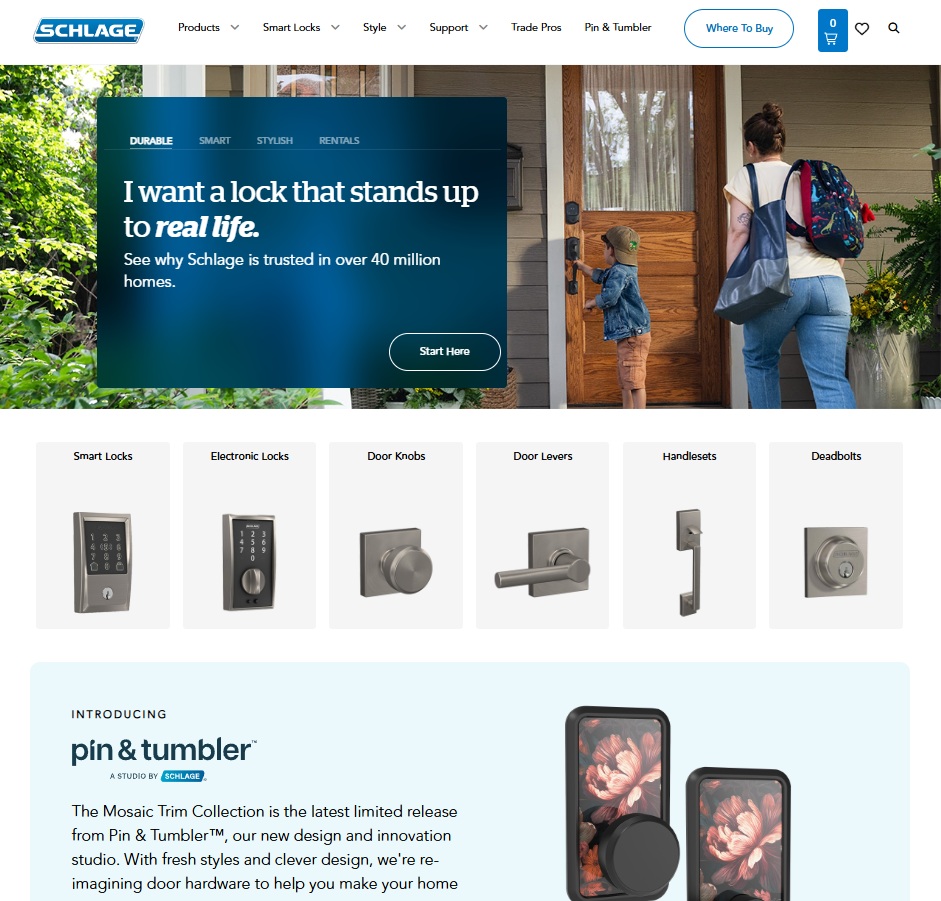
At Schlage, we take pride in designing and manufacturing locks that combine security, innovation, and craftsmanship. Since our founding in 1920, we have been committed to protecting what matters most by creating reliable door hardware that blends functionality with style.

Yale open_in_new
Location: Berlin, CT
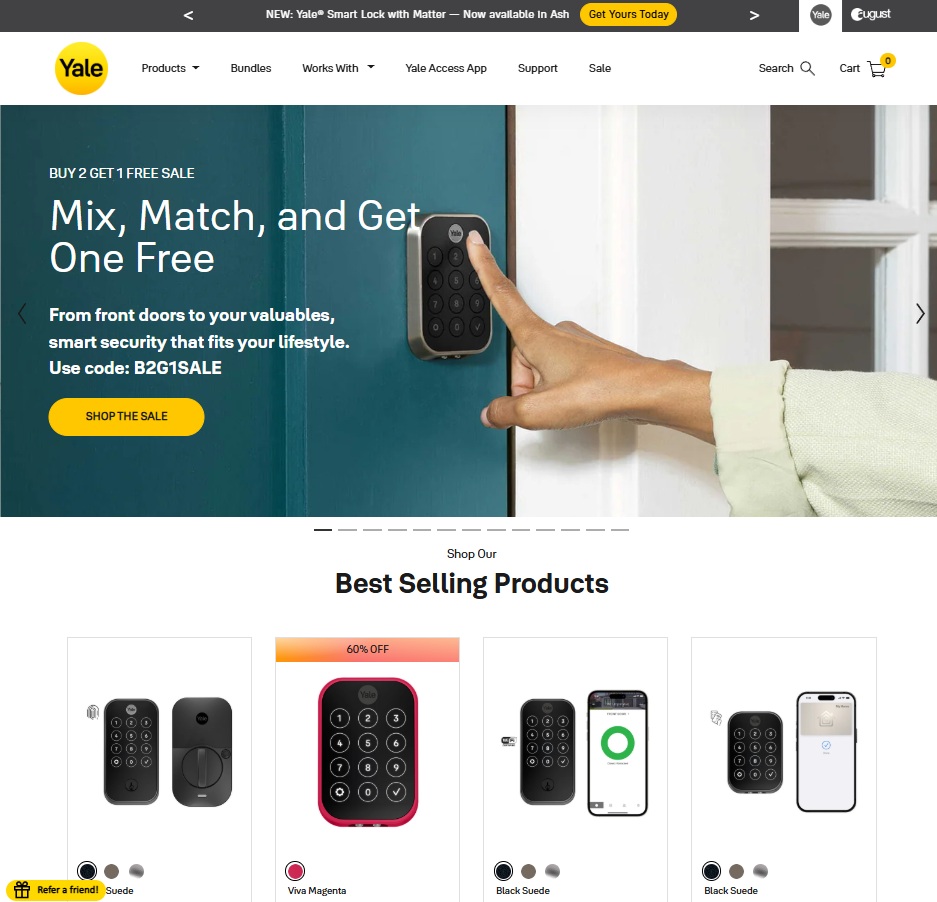
At Yale, we take pride in being one of the world’s most trusted names in locks and security solutions. For over a century, we have designed and manufactured innovative locking systems that safeguard homes, businesses, and institutions worldwide. Our expertise spans from traditional mechanical locks to cutting-edge smart lock technologies, ensuring reliability, durability, and ease of use in every product we create.

Weiser open_in_new
Location: Mississauga, CN
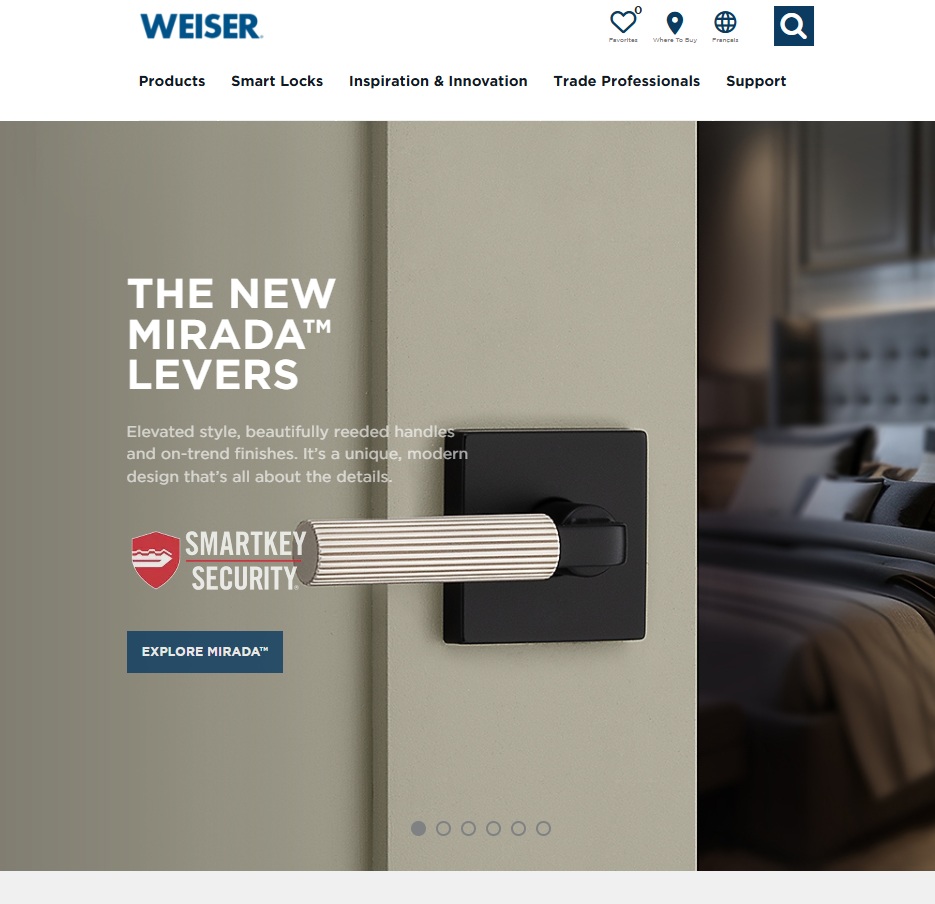
At Weiser, we take pride in crafting locks that blend security, style, and innovation. For generations, we have designed products that protect homes and businesses while complementing their aesthetic. Our locks are engineered for lasting performance, offering precision mechanisms and advanced finishes that stand up to daily use.

Kwikset open_in_new
Location: Lake Forest, CA
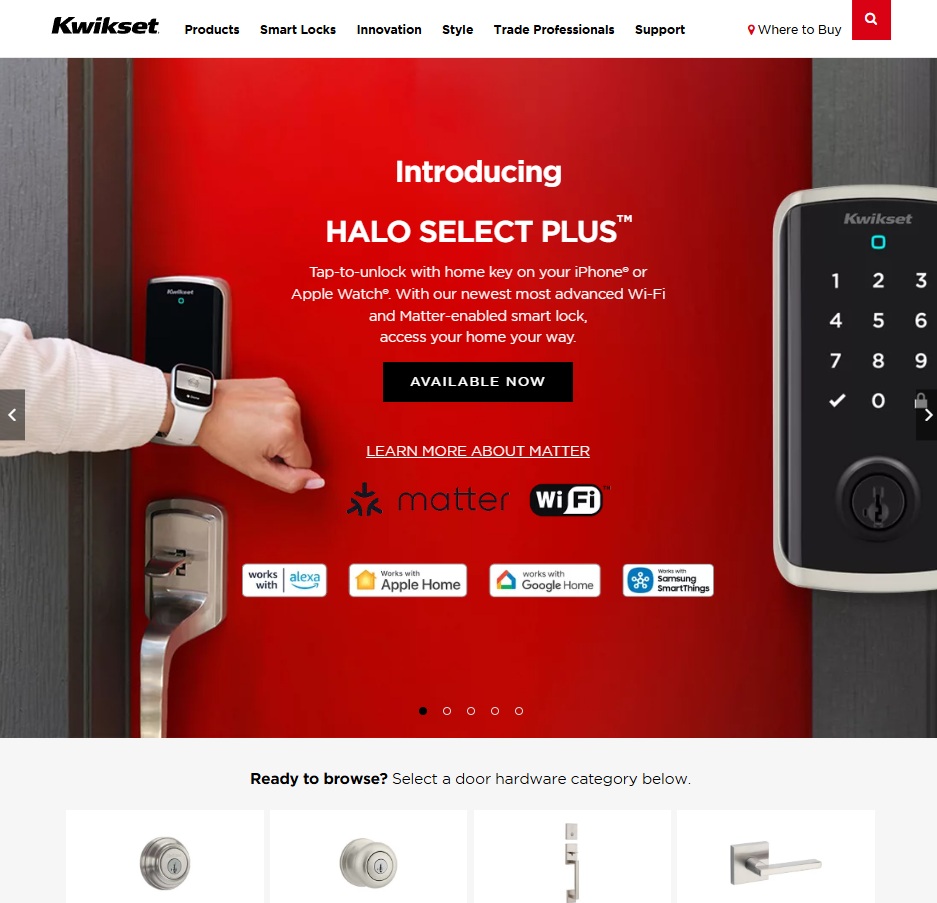
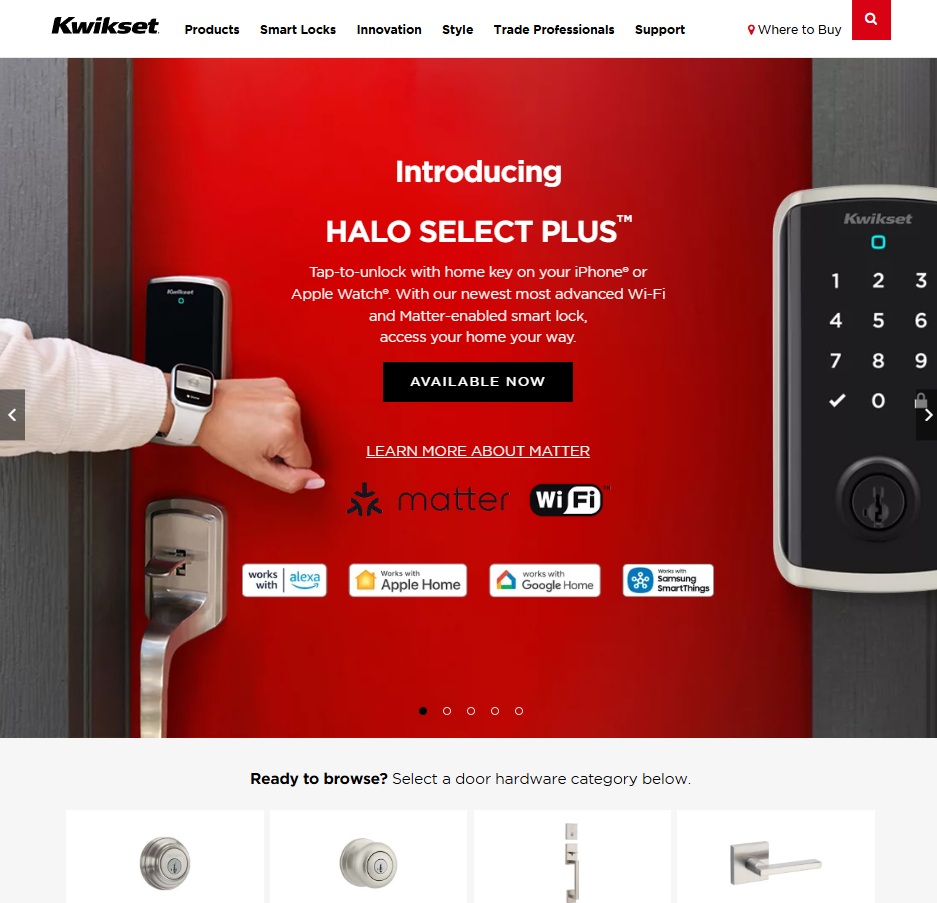
At Kwikset, we are committed to providing innovative locking solutions that combine security, style, and convenience. We design and manufacture a wide range of residential and commercial locks, including deadbolts, handle sets, electronic locks, and smart lock systems. Our products are engineered to meet the highest standards of safety while complementing the aesthetics of modern homes and businesses.

Corbin Russwin open_in_new
Location: Berlin, CT
At Corbin Russwin, we take pride in designing and manufacturing locks that deliver the highest standards of security, durability, and performance. Our expertise in architectural hardware and access control solutions allows us to create locking systems that meet the diverse needs of commercial, institutional, and industrial environments.