Cooling systems in data centers are essential for managing the heat generated by IT equipment, ensuring performance, reliability, and longevity of hardware. Here’s how different cooling solutions are implemented:
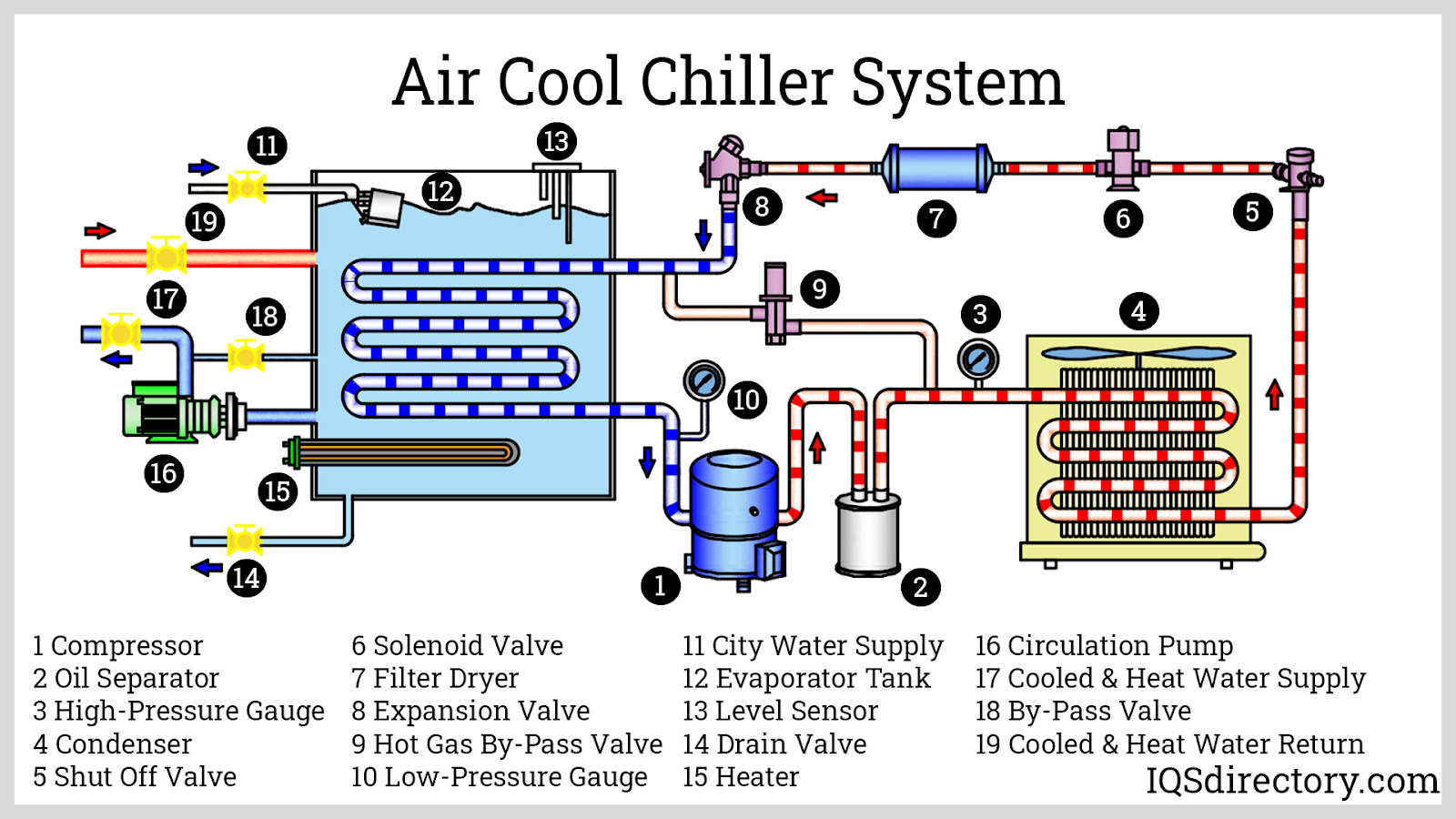
Computer Room Air Conditioners (CRAC)
- Function: CRAC units are essentially large, specialized air conditioners designed for data center environments, cooling the air which then circulates through the room.
- Usage in Data Centers:
- Air Circulation: They pull warm air from the room, cool it, and then push the cooler air back into the data center space, often through raised floors or via overhead ducts.
- Humidity Control: Many CRAC units also manage humidity levels to prevent static electricity and corrosion, maintaining optimal conditions for electronics.
- Scalability: Can be deployed in various configurations depending on the data center size and layout, often used in older or traditional data center designs.
Computer Room Air Handlers (CRAH)
- Function: Similar to CRAC units but typically work in conjunction with a chilled water system. CRAH units handle the air distribution while an external chiller provides the cooling.
- Usage in Data Centers:
- Efficiency: More energy-efficient than CRAC units since the cooling process is separated from air handling, reducing the load on each unit.
- Design Flexibility: Allows for larger scale cooling by centralizing the cooling (chiller) outside the data center, reducing noise and space requirements inside.
- Air Management: Controls both the temperature and humidity of the air, ensuring even distribution across equipment.
In-row Cooling Units
- Function: These units are placed directly between server racks, providing precise cooling exactly where heat is generated.
- Usage in Data Centers:
- Localized Cooling: By targeting heat at its source, in-row cooling reduces the overall temperature gradient across the data center, leading to more efficient cooling and less energy waste.
- Space Utilization: Takes up less floor space compared to CRAC or CRAH units, allowing for higher rack density and better use of space.
- Rapid Response: Can react quickly to changes in heat load due to their proximity to the servers, ideal for environments where server configurations change frequently.
Liquid Cooling Solutions
- Function: Liquid cooling uses water, refrigerants, or other coolants to absorb heat from IT equipment. This can be direct (cooling components directly) or indirect (cooling air that then cools the IT equipment).
- Usage in Data Centers:
- High Density: Ideal for high-performance computing, AI, and other applications where air cooling isn’t sufficient due to high heat densities.
- Efficiency: Liquid cooling can be more energy-efficient, especially at scale, since it can transfer heat away from the source more effectively than air.
- Types:
- Direct Liquid Cooling: Coolant directly contacts hot components, like CPU or GPU blocks, or immersion cooling where servers are submerged in a non-conductive liquid.
- Indirect Liquid Cooling: Uses water or coolant to cool heat exchangers or radiators that then cool air or other parts of the system.
- Environmental Impact: Solutions like using facility water for cooling or evaporative cooling can leverage natural resources for cost and environmental benefits.
Integration and Operation:
- Hybrid Systems: Many data centers use a combination of these cooling methods. For instance, CRAC/CRAH for general cooling with in-row or liquid cooling for high-density areas.
- Energy Efficiency: All these systems aim to reduce the Power Usage Effectiveness (PUE), which measures how efficiently a data center uses power.
- Temperature Management: Modern data center design often adopts higher operating temperatures (ASHRAE guidelines) to save on cooling costs, using these systems to maintain these temperatures rather than traditional, colder settings.
- Scalability and Adaptability: Cooling solutions must be scalable for data centers that grow or change configurations, with the ability to integrate new technologies like liquid cooling into existing infrastructures.
- Monitoring and Control: Advanced cooling systems are integrated with data center management software for real-time monitoring, predictive maintenance, and dynamic adjustments to cooling based on load or temperature spikes.
Each cooling method has its place depending on the specific needs of the data center, such as space constraints, power density, environmental goals, and budget considerations. The choice and combination of these systems are critical for achieving optimal performance, efficiency, and sustainability in data center operations.