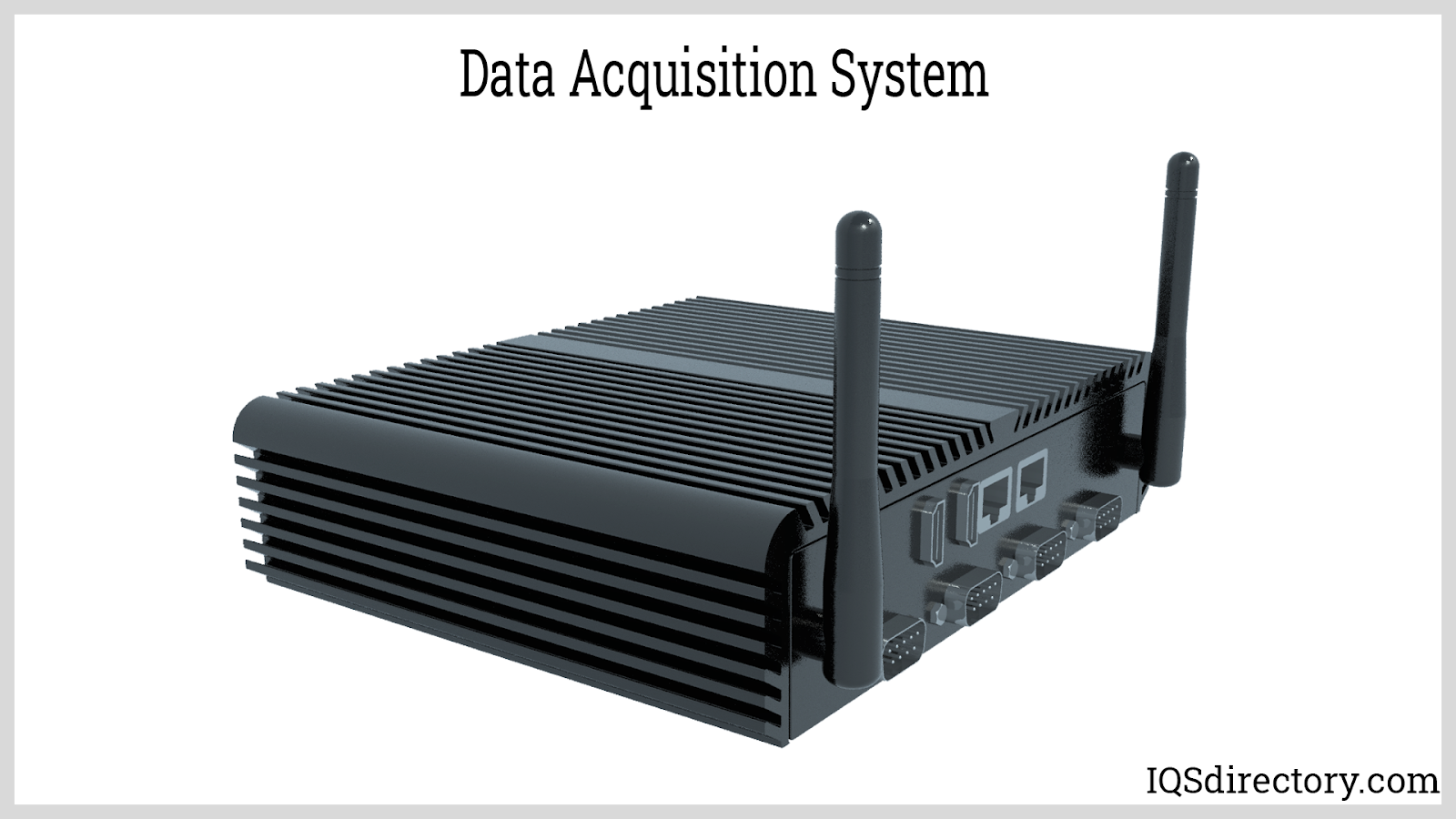
How is Networking Equipment such as: Routers, Switches (Layer 2 and Layer 3), Load Balancers, Firewalls, Network Interface Cards (NICs) used in Data Centers?
Networking equipment forms the backbone of data center operations, ensuring efficient, secure, and reliable communication between servers, storage systems, and external networks. Here’s how each type of equipment is used within data centers:
Routers
Function: Routers connect different network segments or subnets, directing data packets between them based on IP addresses. They manage traffic between local networks and the internet or between different parts of a data center.
Usage in Data Centers:
Inter-Network Connectivity: They are essential for connecting the data center network to external networks, including the internet, other data centers, or corporate networks.
Routing Decisions: Implement routing protocols like BGP for external connectivity or OSPF, EIGRP for internal routing, ensuring efficient data path selection.
Traffic Management: Can prioritize traffic for critical applications or manage bandwidth allocation.
Switches (Layer 2 and Layer 3)
Layer 2 Switches:
Function: Operate at the data link layer, forwarding packets based on MAC addresses within the same network segment or VLAN.
Usage: Used for connecting devices within a single broadcast domain like servers, storage units, or workstations. They facilitate high-speed, low-latency communication within the data center.
Layer 3 Switches:
Function: Combine the functionality of Layer 2 switches with routing capabilities, making routing decisions at wire speed.
Usage: These are employed where network segmentation is needed but with the performance of a switch. They are crucial in environments requiring both switching and routing within the same device, reducing latency and improving network performance.
Load Balancers
Function: Distribute network or application traffic across multiple servers to ensure no single server bears too much load, thus improving responsiveness, reliability, and scalability.
Usage in Data Centers:
Traffic Distribution: Used to evenly distribute incoming application requests across a pool of servers to prevent any one server from becoming a bottleneck.
High Availability: Ensures applications remain available by redirecting traffic from failed servers to healthy ones.
Scalability: Facilitates horizontal scaling of applications by adding more servers without changing the application architecture.
Firewalls
Function: Monitor and control incoming and outgoing network traffic based on an organization’s previously established security policies. They act as a barrier between secure internal networks and untrusted external networks.
Usage in Data Centers:
Security: Protects the data center from unauthorized access, malware, and other security threats by filtering traffic based on rules.
Network Segmentation: Helps in segmenting the network into secure zones, controlling access between different parts of the data center.
Compliance: Ensures that data handling complies with various regulatory requirements by enforcing security policies at the network level.
Network Interface Cards (NICs)
Function: Connect servers, storage devices, or any computing resource to a network by converting data between the computer’s format and the network transmission format.
Usage in Data Centers:
High-Speed Connectivity: Modern data centers use NICs with capabilities like 10GbE, 25GbE, or even higher for server-to-server communication or server-to-storage connections to ensure low latency and high bandwidth.
Redundancy: Often deployed in pairs for network interface teaming or bonding to increase throughput or provide failover capabilities.
Virtualization Support: SR-IOV (Single Root I/O Virtualization) enabled NICs allow for efficient data transfer in virtualized environments, reducing CPU overhead.
Integration and Operation:
Scalability and Performance: All these components work together to scale network capacity, manage traffic efficiently, and ensure high performance. For instance, switches and routers scale the network while load balancers manage application performance.
Security and Management: Firewalls and switches with access control lists (ACLs) manage security, while routers might handle broader network policies.
Redundancy and Failover: Load balancers, along with the strategic use of multiple NICs and paths through switches and routers, ensure high availability and fault tolerance.
Virtualization: In modern data centers with virtualization, network equipment must support virtual environments with features like VXLAN (Virtual Extensible LAN) for overlay networks or NVGRE (Network Virtualization using Generic Routing Encapsulation).
Each piece of networking equipment plays a crucial role in ensuring that data centers can handle the complex, dynamic, and high-volume data flows characteristic of modern computing environments.
Cookie Consent
X
To provide the best experiences, we use technologies like cookies to store and/or access device information. By using this site, you agree to our Privacy Policy.